Can You Use Self Tapping Screws in Same Holes Again
What are cocky-borer screws and thread forming screws?
Cocky-tapping screws are different to traditional screws as they tap their ain threads when screwed into either plastic, woods or metal. Cocky-borer screws are usual split into two variants thread forming and thread tapping.
Cocky-borer screws are commonly used when you need to attach two pieces of textile together where y'all can merely access one side of the textile. Where y'all can access both sides you can use either a screw or a bolt.
Cocky-tapping screws are useful where y'all have to disassemble and reassemble products such equally furniture, as self-tapping screws will relocate themselves into the same threads which they take been removed from.
What are self-tapping screws and self-drilling screws?
Self-tapping and self-drilling screws can easily be confused. Self-tapping screws exercise not take an integrated drill flake into the screw and certain types of cocky-borer screw crave a airplane pilot hole to be drilled earlier it can be driven into textile.
Self-Tapping Screws
Blunt nose and flat ended Self-tapping screws require a pilot pigsty slightly smaller than the screw diameter to be created before they can be driven into the material with a screwdriver. Pointed nose self-borer screws exercise not crave a pilot hole. The activeness of driving the screw in will result in the self-borer screw cutting a thread into the material and securing the materials together. Self-tapping screws are typically used to secure wood, plastic, metallic and brick together.
There are two types of self-tapping screws, thread-forming and thread-cut.
Thread-forming: Before y'all tin apply these screws you lot will demand to drill a pilot hole as the spiral itself does not contain a pointed tip. Thread-forming screws are normally used to join plastic materials together. Due to their design they typically grip textile more than tightly. Care should be taken every bit there is a hazard of over-tightening the spiral, which tin result in joined materials breaking from the pressure.
Thread-Tapping: These screws do non require a pilot hole merely one tin can be drilled to make fastening easier. Call up to make the airplane pilot pigsty smaller than the diameter of the thread tapping screw. Thread-tapping screws remove material and create a path for the screw. The drawbacks to using this type of screw is when they are removed information technology can consequence in stripped threads. If you feel stripped threads you should use a larger thread-tapping spiral when reattachment is made.
Pop types of self-tapping screws
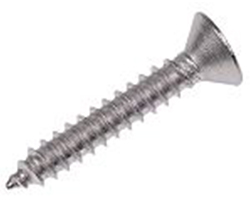 | Countersunk or flat head cocky-drilling screws Allows for a affluent cease equally the caput of the screw sits below surface of the surrounding cloth. This allows for a flat stop and a smooth consequence. |
 | Allen or socket head cocky-borer screws Less prone to the head of the screw beingness compromised and distorted when driving in to the material, due to the shape of the driver used. |
 | Bugle head cocky-tapping screws The bugle head spiral features a countersunk caput with a flat height and a concave bearing face. The shape of the bugle caput allows distribution of the stress over a much wider expanse than is possible with a apartment caput screw. Bugle headed screws are used to attach plaster board to wood to metal studs. |
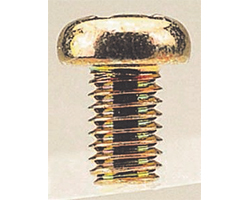 | Push head, dome head and pan self-tapping screws Typically used in carpentry. Due to the dome shape in that location is less take a chance of the screw head countersinking into the material. |
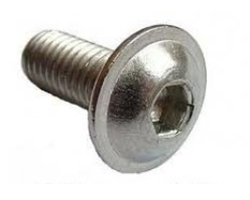 | Flange head cocky-tapping screws Usually used to attach metallic to metal or plastic to plastic. The flanged head allows more than clamping torque to be applied than other caput types. |
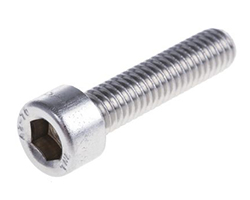 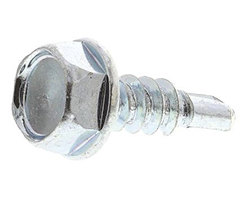 | Hex caput / Socket self-borer screws These screws characteristic a hexagonal caput and is typically used past contractors in heavy duty applications where a countersunk head is not necessary. |
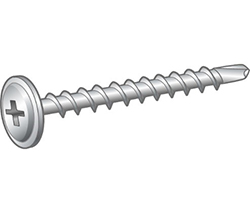 | Wafer head cocky-tapping screws Wafer head screws feature a |
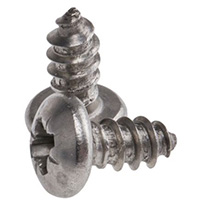
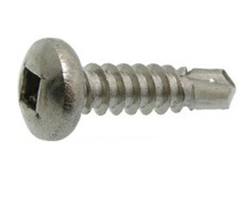 | Pan caput self-borer screws The head of this spiral is rounded on the top and vertical on the sides. They are similar to oval or round screws. They are typically used in high torque applications into either metal or wood |
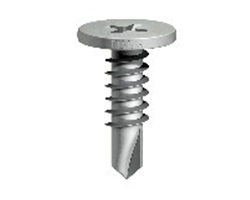 | Pancake head self-tapping screws This screw head is used where a large clamping area & an unobstructed head is required. The larger clamping surface area allows for the forcefulness to exist distributed across a wider area. |
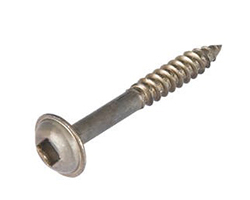 | Square head self-borer screws Less susceptible to the scrap slipping (cam-out) than a traditional Phillips screw when you are driving the spiral into fabric. Care should be taken to ensure that spiral is not over tightened. |
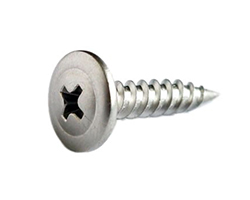 | Truss head self-borer screws This cocky-tapping screw head is extra wide and has a slightly rounded surface, or summit and contains a wider surface surface area under the head of the screw. Truss head screws are suitable for sail metal and other textile with large diameter holes. Their low-dome shaped caput makes tampering with or removing the head hard. |
What are the Screwdriver types?
The different types of screwdriver are primarily down to the bulldoze tip shape required for a specific head type of a given screw. However, there are other types of screwdriver that are application specific which will be detailed in this department.
Cocky-Drilling Screws
If you crave Tek screws for wood applications y'all can use ones which are manufactured for roofing. The flute on these screws is very pocket-size and the diameter of the hole that it drills is smaller than the bore of the outside screw thread. This design allows the screw to seize with teeth into the textile for a secure hold.
Beefcake of a cocky-drilling screw
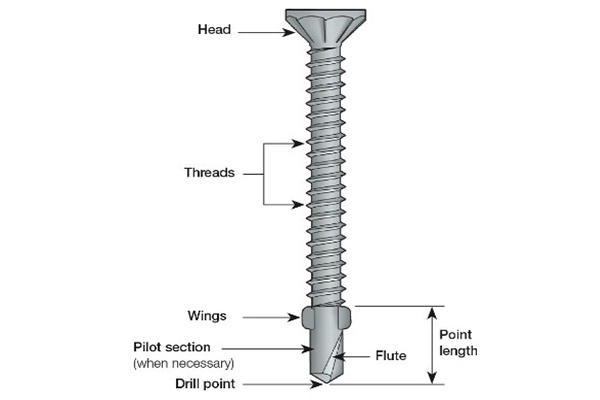
*Wings are merely present on Remer Tek screw.
Self-drilling screws are bachelor in the same caput and bulldoze types as cocky-tapping screws. You should select your screw blazon based on the material and finish you lot crave. Below we have outlined some considerations to take into business relationship when making your selection.
What should you lot consider when deciding which self-drilling screw to use?
- Flute Length – The length of the flute determines the thickness of the metal that self-drilling screw can exist used on. The flute is designed to extract the drilled material from the hole. If the flute becomes blocked cutting will stop. Simply put if y'all have are attaching thick pieces of material together then yous volition require a self-drilling spiral with a flute to match. If the flute becomes blocked and y'all take no activity the drill point will likely overheat and fail.
- Drill Point – The drill signal refers to the unthreaded section of the screw. When selecting the screw length you should account for the length of material that you are drilling through. If the threads engage before the drill point length is completely through the fabric it will result in the screw breaking.
- Winged and non-winged – Information technology is necessary to use self-drilling screws with wings when fastening wood over 0.5 inches thick to metallic. The wings will ream a clearance concord and go on the threads from engaging as well early. When the wings appoint with the metal they will break off allowing the threads to appoint into the metal. If threads appoint too early on this will cause the two materials to separate.
Self-drilling screws are susceptible to the same forces as drill $.25. Cutting functioning is impacted by the speed and depth of the cut made. Make sure that you select the correct sized screw for your application and so you lot tin avoid the drill head melting if likewise much RPM is applied or snapping if too much pressure is practical. A unproblematic rule of pollex is pocket-sized diameter screws tin accept higher RPM'southward but less force can be applied. Transversely the larger the diameter the lower the RPM but higher force can be practical.
Self-Drilling screw RPM & Force guide
| Screw Size | Major Diameter (in.) | RPM* | Practical Force* (lb.) | Piece of work Material Hardness* |
|---|---|---|---|---|
| #six | 0.138 | ii,200 | lxxx | 20 Rockwell "C" -scale |
| #8 | 0.164 | i,900 | 93 | |
| #x | 0.190 | 1,600 | 104 | |
| #12 | 0.216 | i,400 | 116 | |
| #fourteen | 0.250 | 1,200 | 131 | |
| #16 | 0.313 | one,000 | 157 |
Self-drilling screw trouble shooting guide
Failure Type | Cause of failure |
|---|---|
Flutes chipped | Besides much force was used when driving the screw in |
No drilled pigsty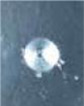 | Multiple reasons for failure which include: material too hard, driver set to opposite or the drill point is edgeless which could be due to handling or a manufacturer defect. |
Flute melted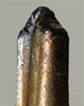 | Too many RPMs used or the material was too hard which resulted in the flute melting |
Melted point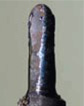 | Material as well hard or too much force has been practical |
Drill bit split up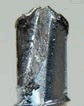 | Too much force was used when driving the screw in |
Common project questions
Cocky-Borer screws for aluminium
Aluminium has many positive characteristics that brand it easy to work with. When using self-tapping screws on aluminium choose a self-borer spiral with a drill like point and sharp cutting blade threads that get downwardly the whole length of the screw. These self-borer screws are designed to keep thin metal from denting.
To use self-tapping screws, place the screw direct on the aluminium canvass. The sharp point of the spiral volition make its own hole. Stabilize the screw so it doesn't tilt as it goes in. Permit the screw plough until information technology goes all the way through. Accept care to not to over-tighten the screw as this can damage the metal or break the spiral.
The advantage of using cocky-tapping screws for aluminium is that they don't need pre-drilling and are hands removed without damaging the metallic. They can besides be reused in the aforementioned material.
Aluminium in certain applications can vibrate which causes other fastener types to piece of work loose. An example of is when aluminium is used as building material for boats. Boat engines cause the frame of the boat to vibrate which can result in other fasteners such equally nails or regular screws falling out. Trilobular stainless steel self-borer screws, are ideal in situations where vibration is present as their thread design reduces friction during thread forming whilst providing resistance to vibrational loosening.
Cocky-borer screws for plastic
Plastics are more ridged than woods and thus are more prone to cracking. When using cocky-borer screws in plastic it is advised that you drill a pilot hole before screwing in the self-tapping spiral. If y'all are installing hardware such equally hinges on plastic you volition desire to avoid drilling the pilot hole all of the way through the fabric for artful reasons.
UPVC Window Screws
UPVC window screws can also be referred to every bit UPVC window screws. They are bachelor in a variety of lengths but typically come in ane diameter (iv.8mm estimate). Standard UPVC hardware screws are between 3.9mm and 4.3mm in diameter. To ensure a tight fit when reattaching window furniture extra thickness is added to UPVC screws to ensure a secure fit and textile for the screw to bit into.
Cocky-tapping screws for fibreglass
Fiberglass consists of drinking glass fibres embedded in a resin. The combination of glass fibres and resin makes for a very strong material. When using self-tapping screws in fiberglass you lot volition find that the drilling tip of the screw becomes boring rapidly as it comes into contact with the drinking glass fibres, which leads to cracking in the drinking glass fibres and the gel coat. To avert smashing proper installation techniques must be used.
FAQs
How tin can I piece of work out what screw size I need?
In nearly cases trial and error will help y'all work out the appropriate sized screw. Yous should accept into account the thickness of the fabric and the finish y'all require. Likewise note that information technology is easier to make a hole bigger with a larger screw than a larger sized hole smaller.
Does Size of the screw matter?
Selecting the wrong sized screw for the chore can potentially be unsafe. If the screw is besides long or small for your task it isn't the right spiral for the job. If the screw doesn't fully disappear (head type dependent) or is too loose you should remove and utilise a more appropriate type.
Can I Use a Sheet Metal Screw in Wood?
You should employ the right screw type for your application as commencement cause of activity. You can utilise a metal screw in wood, simply a screw specifically designed for wood would be more appropriate due to their flexibility.
Can I Use a Wood Screw in Sail Metal?
No. The tensile strength of metal screws is unlike. You should merely utilise a metallic screws and non wood screws.
Tin I use indoor screws outside?
If the screw is galvanised or labelled for 'exterior utilize' than you tin utilize either indoors or outdoors. Galvanised screws will non rust or corrode every bit quickly as they have a protective coating to resist confronting rain.
Do you still demand a screwdriver for a self-tapping spiral?
Well-nigh probable. It all depends on what fabric yous are screwing into.
How Do I Tighten or Loosen a Screw?
Always plough a spiral clockwise to tighten it, and anti-clockwise to loosen it once again. Lefty Loosey, Righty Tighty.
How tight should a screw be?
Very tight or up to the manufacturers torque ratings. Different head types of screws permit for more than or less torque to be applied. You may want to gene this when making your decision on which screw head you purchase.
My Screw is loose – What Now?
If you lot are determined that you lot have the correct size and mode screw, you can utilise a little mucilage to stop the job. If you need to remove the screw at some point for maintenance reasons you will probable not be able to extract the screw.
Matching drill bits to screw sizes – a Formula for Spiral Sizes to Lucifer Drill $.25?
Unfortunately there isn't a formula for matching screw sizes and drill $.25. Drill flake sizes depend on whether you are drilling into hard woods, soft wood of whether you lot are using rawl plugs. Try to start with a smaller drill scrap and exam for fitment, if fitment is also tight step upward a drill bit size. Recall that drill $.25 are manufactured for cloth types as such you cannot apply a wood drill bit for metal or masonry work.
Production spotlights
Use one of these links to view the products on the RS website
chandlercoarestligh.blogspot.com
Source: https://uk.rs-online.com/web/generalDisplay.html?id=solutions/self-tapping-screws-guide#:~:text=The%20advantage%20of%20using%20self,reused%20in%20the%20same%20material.
0 Response to "Can You Use Self Tapping Screws in Same Holes Again"
Post a Comment